
The Mean It Method™
Camera presence is not a personality trait. It's a trained capacity — and here's how it's built.
The instrument, not your personality
The Mean It Method trains the instrument you already have — body, voice, breath, eyes and face — to couple truth to action in front of a lens, on demand. The keystone technique is the Art of Face Dancing: what happens when you mean the thing in the same breath you say it, and the face moves on its own. Every other move in the method exists to get you back to that one.
It's the same craft I spent decades refining on world stages — translated for people who aren't performers by trade but still have to show up on camera and be believed. Authenticity isn't the goal you chase; it's what the audience reads once the skill is working.
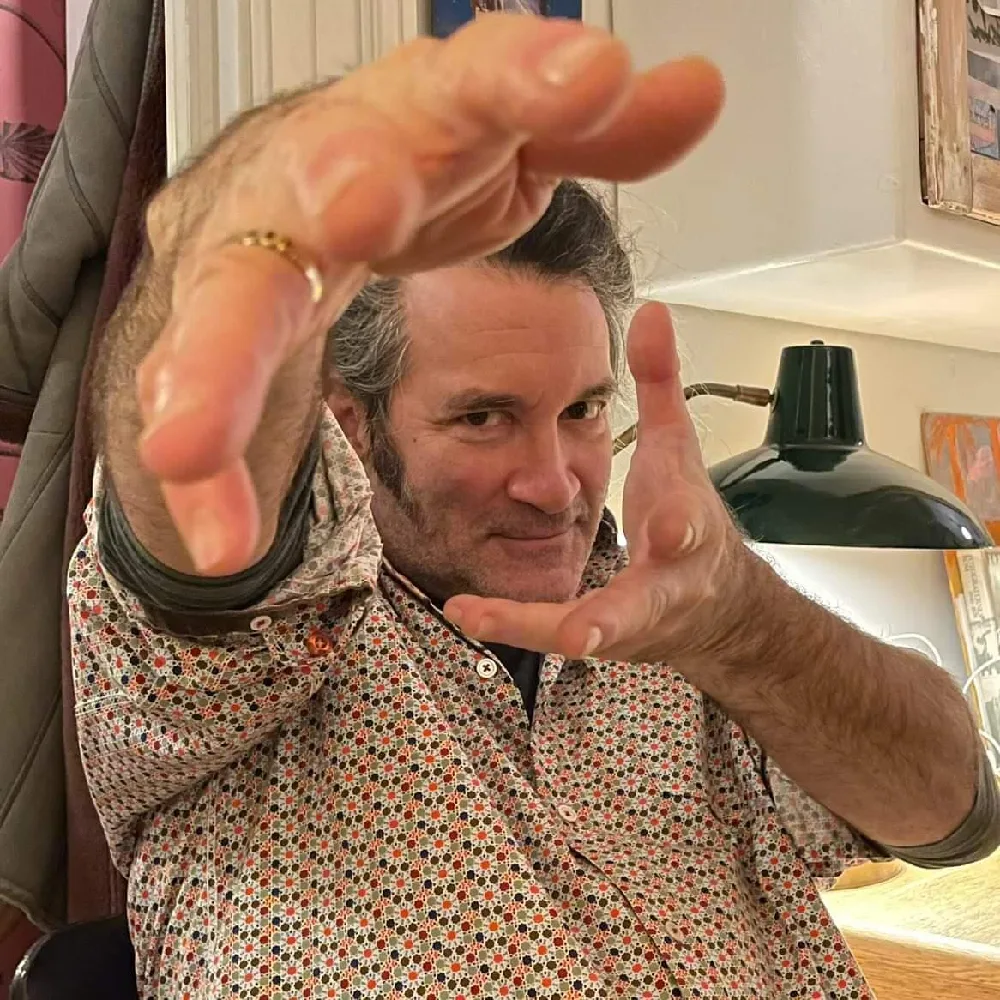
Four moves from polished to present
Prepare meaning, not words
Scripts produce polish, and polish reads as evasion. We prepare at the level of meaning — the one point, the one person, the next action — so you land every point without sounding rehearsed.
Train the instrument
Standing, voice, breath, pauses, hands, eyes and face — the trainable fundamentals stage performers have used for over a century, applied to the lens.
Couple truth to action
The keystone move: mean it in the same breath you say it, and the face dances on its own. The audience reads it as someone who believes what they just said.
Build it in reps
Presence is built in 36 days of five-minute daily reps, not one heroic session. You leave with a daily practice you can keep.
Built for people who have to be believed
Coaches building an audience that converts. Entrepreneurs whose video has to sell. Executives who freeze on camera. If the lens is between you and the people you need to reach, the method is for you.
The Library
Each part of the method taken apart and explained in full — camera presence, Face Dancing, unscripted delivery, the 36-day practice and more. Ten in-depth guides for when you want the long form.
Frequently asked
Performing safety is the unconscious habit of sanding the edges off your real opinion, hedging strong takes, and adding qualifiers and uptalk so nobody can object to you. The audience reads it as someone hiding, and it is the most common reason coach video does not convert.
No, because confidence is a result, not a method. The fix is daily reps that make the unfamiliar familiar, until there is less polished version of you left to protect.
Yes. Public speaking is calibrated to a room reading you at a distance, where small honesty errors get absorbed. The lens sees everything at close range, so the bar on honesty is higher, not lower. Many strong public speakers struggle on camera until they retrain for the lens.
Often introverts do better than extroverts once trained, because they are less likely to mistake high energy for presence. Camera presence is about meaning, not volume.
Most people see a visible shift in seven days of five-minute daily reps and a meaningful one in 36 days. The compounding is daily, not weekly.
No. The instrument that needs training is you, not the gear. Most camera presence work is done on a phone with a window for light.
Acting trains you to perform another person's meaning credibly. The method's keystone technique, Face Dancing, trains you to stop interrupting your own meaning. They share technique but aim at opposite goals.
Yes, because the constraint is the engine. A five-minute ceiling forces you to start, which is the part of the practice most likely to be skipped at any other length.
The six components every effective presentation needs
Get the free training
A short video series on finding your presence on camera — no scripts, no templates.